A chemical peel in Sharjah is a doctor-led skin treatment that uses carefully chosen acids to exfoliate the top layers of the skin, so fresh, smoother skin can come through. At Beverly Hills Speciality Center in Muweilah, our team plans each chemical peel around your skin type, tone and concerns, from acne and oil to pigmentation, dullness and fine lines. This page explains how a chemical peel works, the types of peel, who it suits, how to prepare, what to expect afterwards and the questions to ask before you book.
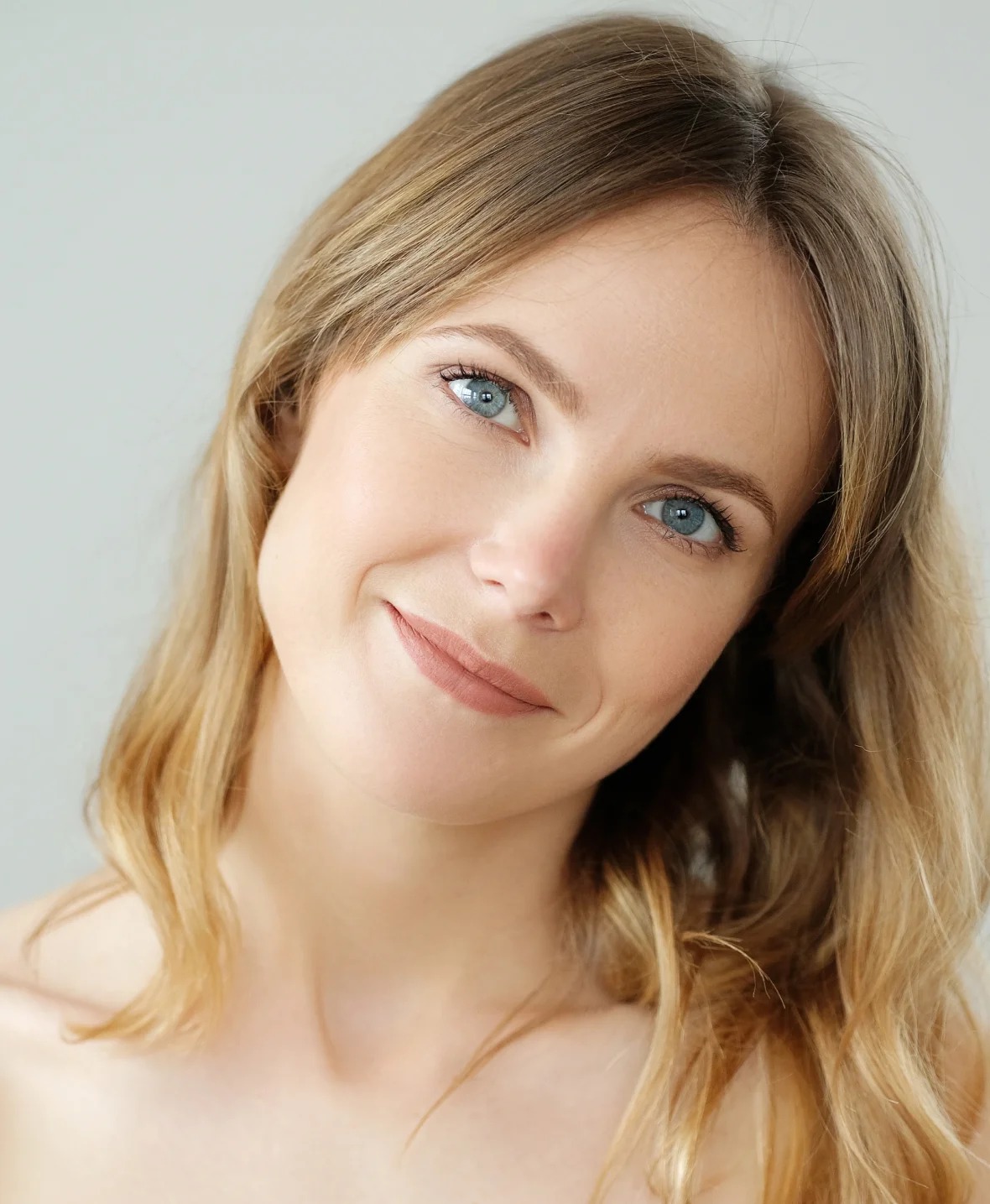
What Is a Chemical Peel?
A chemical peel applies a solution, usually a mix of acids, to the skin. The solution loosens the bonds between dead skin cells and causes the top layers to shed over the following days. As the skin renews, it can look smoother, brighter and more even. Peels also unclog pores and can reduce the appearance of mild acne marks, sun spots and fine lines. A chemical peel in Sharjah can be light, with no real downtime, or deeper, with several days of peeling, depending on the strength and the product chosen.
Types of Chemical Peel
- Superficial peels (such as glycolic, lactic, mandelic and salicylic acid): gentle exfoliation for dullness, mild acne, oil and uneven tone, with little downtime.
- Medium-depth peels (such as TCA): go deeper for pigmentation, sun damage and fine lines, with several days of peeling.
- Combination peels: blend ingredients to target several concerns, such as acne and marks.
- Targeted peels: products designed for specific problems such as melasma-prone skin, where strength must be controlled.
The doctor chooses the type and strength for your skin. A stronger peel is not always better, especially for darker skin, which is more prone to pigmentation after irritation.
What a Chemical Peel in Sharjah Can Treat
- Acne and oily skin: peels with salicylic acid help clear pores and reduce breakouts. See our acne treatment.
- Acne marks and mild scarring: repeated peels can soften marks, while deeper scars need other options such as acne scar treatment.
- Pigmentation and sun spots: peels can lighten uneven tone as part of a plan. See pigmentation treatment.
- Dull, rough skin: exfoliation can improve brightness and texture.
- Fine lines: medium peels can soften them to some degree.
- Enlarged pores: regular peels can make them look smaller.
Who Is Suitable for a Chemical Peel?
A chemical peel suits many adults who want smoother, clearer skin. It is not suitable for everyone. Peels are usually avoided during pregnancy, with active infection or open sores in the area, after recent isotretinoin (Roaccutane) use unless the doctor agrees, in people with very sensitive or broken skin, or when the skin has been recently tanned or sunburnt. Darker skin tones can be treated, but need lower strengths, careful preparation and strict sun protection to lower the risk of dark marks.
Your Chemical Peel Appointment Step by Step
- Consultation: the doctor reviews your skin, history, medicines and goals, and chooses the peel.
- Cleansing: the skin is cleaned to remove oil and makeup.
- Application: the peel is applied in layers and left on for a measured time. You may feel tingling, warmth or stinging.
- Neutralising and soothing: the peel is neutralised or removed, and a soothing product and sunscreen are applied.
- Aftercare advice: you receive written instructions and a plan for the next visits.
A light peel takes about 20 to 30 minutes. Many people book a short course with a few weeks between peels.
How Many Chemical Peel Sessions Will You Need?
Superficial peels are often repeated every two to four weeks in a course of three to six, with maintenance afterwards. Medium-depth peels are done less often, with months between treatments. The right number for a chemical peel in Sharjah depends on your concern, your skin and how it responds. The doctor will give you a realistic plan, and no clinic can guarantee a specific outcome.
How to Prepare for a Chemical Peel
- Avoid sun exposure, tanning and self-tanner for at least two weeks beforehand.
- Stop retinoids, strong acids, scrubs and waxing on the area for the period your doctor advises, usually several days before.
- Do not have other facial treatments such as laser or microneedling just before your peel.
- Tell us about medicines, cold sore history, skin conditions and recent treatments.
- Come with a clean face, without makeup, and avoid shaving on the day.
Aftercare After a Chemical Peel
- Expect redness, tightness and dryness. Light peeling can start within two to three days.
- Do not pick, scratch or peel flaking skin, because this can cause marks and scarring.
- Use a gentle cleanser and a plain moisturiser, and avoid active products until the doctor says it is fine.
- Use broad-spectrum sunscreen every day, and avoid direct sun, saunas and heavy exercise for a few days.
- Avoid waxing, scrubs and other treatments until the skin has healed.
- Contact the clinic if you have blistering, severe pain, swelling or signs of infection.
Chemical Peel Downtime and Results
Downtime depends on the peel. After a superficial peel you may have mild redness and dryness for a day or two, and can usually return to normal activity at once. After a medium peel, the skin may look red and then peel for five to seven days. Results build over a course: skin often looks brighter after the first peel, and acne, marks and pigmentation improve over several sessions. Results are not permanent, and daily sun protection and a suitable skin care routine help to maintain them.
Chemical Peels for Darker Skin Tones
People with medium to deeper skin tones are more likely to develop dark marks after inflammation, which is called post-inflammatory hyperpigmentation. A chemical peel in Sharjah can still be safe and helpful if the doctor chooses gentle acids, starts at low strength, prepares the skin and builds up gradually. Strict sun protection and avoiding picking are essential. Tell the doctor about previous reactions to products or treatments.
Risks and Side Effects
Common effects are redness, tightness, dryness and peeling. Less common effects include prolonged redness, temporary darkening or lightening of the skin, infection, cold sore flare-ups and, rarely, scarring. These risks are higher with stronger peels, poor aftercare, sun exposure and picking. Choosing an experienced doctor, following preparation and aftercare and telling us about your history help to keep the risks low.
Chemical Peel vs Other Skin Treatments
- Chemical peel vs HydraFacial: a peel uses acids to exfoliate and renew, while HydraFacial cleanses, exfoliates and hydrates gently with no downtime.
- Chemical peel vs microneedling: peels work on the surface, while microneedling works deeper for scars and texture.
- Chemical peel vs laser: lasers can treat deeper concerns, such as scars and some pigment. See our laser treatments in Sharjah.
The doctor will recommend the best option or combination for your skin.
Chemical Peel Myths
- Myth: a peel damages the skin. Fact: when chosen and used correctly, peels renew the skin safely.
- Myth: more peeling means better results. Fact: results do not depend on visible peeling.
- Myth: peels thin the skin. Fact: appropriate peels can improve skin quality over time.
- Myth: peels are only for acne. Fact: they are also used for pigmentation, texture and glow.
How Chemical Peels Work on the Skin
The skin renews itself every few weeks, but with age, sun exposure and conditions such as acne, the process slows and dead cells build up. Peel solutions speed it up by dissolving the glue between cells on the surface. Alpha hydroxy acids such as glycolic and lactic acid work on the surface, beta hydroxy acid (salicylic acid) is oil-soluble and works inside pores, and TCA works deeper in the upper layers. The strength is controlled by the concentration, the pH, the number of layers and the time the peel stays on the skin, which is why a doctor-led chemical peel in Sharjah can be tailored so precisely.
Choosing the Right Peel for Your Concern
- Oily, acne-prone skin: salicylic acid peels to clear pores and reduce oil.
- Dull, rough skin: glycolic or lactic acid for brightness and smoothness.
- Post-acne marks and uneven tone: mandelic acid or combination peels, which are gentler on darker skin.
- Sun damage and fine lines: medium-depth peels such as TCA, carefully timed outside the strongest sun season.
- Sensitive skin: low-strength lactic or mandelic acid with a gradual approach.
Skin Care Before and After Your Peel
A good home routine helps peel results last. Before a course, the doctor may suggest a gentle cleanser, a moisturiser and daily sunscreen, and sometimes a pre-peel product to even the skin. After a peel, keep to a simple routine until the skin settles. Once healed, active ingredients such as vitamin C, niacinamide and retinoids can be added step by step, as advised. Avoid mixing several strong products at once, because that can irritate the skin and undo the benefit of your chemical peel in Sharjah.
Best Time of Year for a Chemical Peel in Sharjah
Peels can be done all year, but the cooler months from October to April are often the best time for medium peels, because sun exposure is lower and skin is less likely to darken. Light peels are suitable throughout the year with strict sun protection. If you have an event, plan your peel at least two weeks beforehand so any redness or peeling has settled.
Combining Chemical Peels With Other Treatments
Peels are often combined with other treatments in a plan. A course of peels may be alternated with a HydraFacial for hydration, followed by a carbon laser facial for oil and pores. For deeper scars, peels may be part of a plan with fractional laser or microneedling. The doctor will sequence treatments and leave enough time between them, because doing too much at once can irritate the skin.
Chemical Peel Safety at Home vs in a Clinic
Home peel products can be useful but are much weaker than clinic peels, and strong at-home products can burn the skin if used incorrectly. A chemical peel in Sharjah at a clinic is chosen after an assessment, applied for a measured time and neutralised when needed, with a doctor available if the skin reacts. If you have had a bad reaction to a home peel, tell the doctor, and avoid more peels until your skin has been checked.
Chemical Peel Questions About Sun, Makeup and Daily Life
People often ask how a chemical peel in Sharjah fits into daily life. You can usually return to work the same day after a light peel, though your skin may look slightly pink. Makeup is normally fine after the skin calms, and mineral makeup is often easier on treated skin. Sun is the main concern: avoid direct sun, wear sunscreen and a hat, and stay in the shade in the middle of the day. Swimming pools and the sea can irritate peeling skin, so wait until the doctor says it is safe.
When to Call the Clinic After a Chemical Peel
Call us if you have blisters, severe or worsening pain, swelling, pus, a rash or fever, or if your skin turns very dark or very red and does not settle. Peeling, tightness and flaking are normal for a few days. If you have a history of cold sores, tell us in advance, because the doctor may suggest preventive medicine before treatment.
How Much Downtime Should You Plan For After a Chemical Peel in Sharjah?
For a light peel, plan for little or no downtime, though your skin may look pink and feel slightly tight for a day. For a medium peel, plan for about a week of visible peeling, and avoid social events during that time. Take time off work if you prefer not to be seen while peeling. Always schedule peels away from holidays in the sun, and plan your next peel only when your skin has healed. The doctor will give a clear timeline for the peel you choose.
Peels and Other Skin Concerns
If you have melasma, rosacea, eczema or very sensitive skin, tell the doctor before a peel. These conditions can flare with the wrong peel, so the plan may use gentler products, longer gaps or an alternative treatment. We will explain the risks and benefits honestly.
Chemical Peel in Sharjah: Summary of What to Expect
A chemical peel in Sharjah is a short, doctor-led treatment that renews the skin. Before your chemical peel in Sharjah, you will have a consultation and a plan for your skin. During the chemical peel in Sharjah you may feel tingling, and afterwards you will have redness or light peeling, depending on the strength. The best results from a chemical peel in Sharjah come from a course, good aftercare and daily sunscreen. If you are looking for a chemical peel Sharjah clinics offer with medical oversight, book a consultation and we will choose the right peel for your skin.
Why Choose Us for Chemical peel in sharjah
A chemical peel in Sharjah works through chemistry, so strength, timing and aftercare matter. Our doctors choose each peel for your skin, build up gradually and review your skin at every visit. Our doctors explain what chemical peel in sharjah can and cannot do, plan your sessions around your skin and schedule, and tell you honestly if another approach would suit you better. You can meet the team on our Our Doctors page.
Chemical peel in sharjah: Price
The cost of chemical peel in sharjah depends on the treatment, the area and the number of sessions, which is clear only after your consultation. Our current guide is on the price guide page, and the team can give you an exact figure for your plan.
Questions to Ask Before You Book Chemical peel in sharjah
- Who will carry out the treatment, and is a doctor involved?
- Which device or product will be used, and is it suitable for my skin?
- How many sessions will I need, and what will the total cost be?
- What are the risks, and what happens if I have a reaction?
- What aftercare will I receive, and who do I call if I am worried?
For general background, see this overview of chemical peels.
Chemical peel in sharjah: Frequently Asked Questions
Is a chemical peel painful?
Most people feel tingling, warmth or mild stinging for a few minutes. Cooling and fans help, and the peel is neutralised or removed when the time is up.
How long does peeling last?
Light peels cause little visible peeling. Medium peels may peel for five to seven days.
Can I wear makeup after a chemical peel?
Usually after the skin has calmed, often after 24 hours for light peels and longer for deeper ones. Follow the doctor’s advice.
Can I have a chemical peel in summer?
Yes, with strict sun protection, but some people prefer cooler months for stronger peels to lower the risk of pigmentation.
How often can I have a chemical peel?
Light peels are often every two to four weeks in a course. Deeper peels are spaced months apart.
Will a chemical peel remove acne scars?
It can soften shallow marks, but deeper scars need other treatments.
Can men have a chemical peel?
Yes. Peels are suitable for men with acne, ingrown hairs, dull skin and sun damage.
Is a chemical peel safe for sensitive skin?
Gentle peels can be used on sensitive skin, but the doctor will choose carefully and may do a test area first.
Where can I get chemical peel in sharjah near Muweilah?
We are in Muweilah, Sharjah, on University City Road. Our Muweilah clinic page has directions and opening hours.
How do I book chemical peel in sharjah?
Use our booking page, call the clinic or message us on WhatsApp, and we will arrange a consultation.
Ready to start? Book a consultation for chemical peel in sharjah, or read about our aesthetic clinic in Sharjah and our full range of laser treatments in Sharjah.
